A year in review
Insights from the growing season
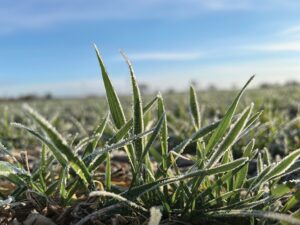
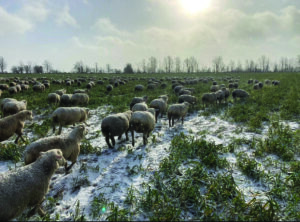
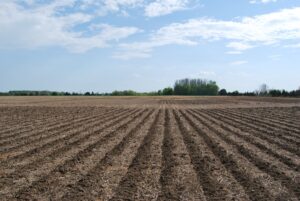
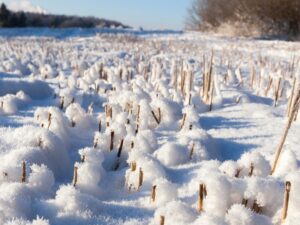
Another year is coming to a close, and with it, the end of another crop season. After what seemed like a never-ending winter, with plenty of snow accumulation in many areas and water flooding and ponding in others, spring arrived. Once the snow melted and the fields saw water receding, a common sight was snow mould and winter wheat encased in ice, leaving dead or weakened plants behind. Cold weather lasted into May, with some anxiousness to get into the fields to plant corn, soybeans and spring cereals. But, as is often the case with planting, a huge number of acres go in over a very short window of time, and this year was no different for most. Although planting did seem to stop and stutter a few times throughout the spring, most of the crop went into excellent ground conditions.

Due to wet, cool conditions in the spring, the winter wheat crop was scouted for several diseases—powdery mildew, septoria, and leaf and stripe rust, to name a few were identified in fields, with leaf and stripe rust identified in the province by mid-May. Both rust strains are concerning because they rob yield; however, stripe rust was particularly concerning. Stripe rust can cause more than 70 per cent yield loss in susceptible varieties if left untreated, and was of concern this year as it appeared that the disease may have overwintered in some regions. The disease’s ability to overwinter enabled earlier infection of the host from adjacent winter wheat crops. In some cases, due to earlier disease infections and the rapid spread of the disease, multiple generations of disease spore production occurred, leading to faster spread across the province. In the future, selecting a more tolerant variety (ratings can be found at GoCrops.ca), scouting and proper identification, and taking decisive action, especially if the variety is susceptible, are just a few things to keep in mind when dealing with stripe rust.
WATER WORRIES
As spring edged towards summer, water worries became the topic of conversation in several areas of the province. Many are still experiencing moderate to extreme drought conditions at the time of writing. The drought began during the late vegetative and into the reproductive stages of plant growth and impacted the yields of corn and soybeans. Winter wheat and spring cereals, while not completely immune to drought impacts, flowered when moisture was not overly limited and achieved average yields in most areas.
As with a lack of rain, disease development in the middle of the growing season was not as worrisome as in some years. Tar spot, DON, and others, while on the radar, were not huge topics of concern for many regions.
The Crop Protection Network launched a new Crop Risk Tool, partially funded by Grain Farmers of Ontario, to enhance disease management decisions. Weather-based forecasting and risk assessments are available for tar spot and gray leaf spot in corn, and white mould and frogeye leaf spot in soybeans. The Crop Risk Tool is an excellent addition to Ontario grain farmers’ toolbox.
As corn and soybean fields approached reproductive stages, development was affected in several regions by a lack of moisture. Corn cobs were shortened, with kernels either not pollinated or aborted. Soybeans showed flowers and pods aborting, with plants shutting down due to drought, well before what would be considered normal. A challenging year for some, as decisions were made on how to salvage the crop.
WEEDS AND DISEASE
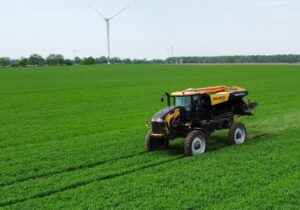
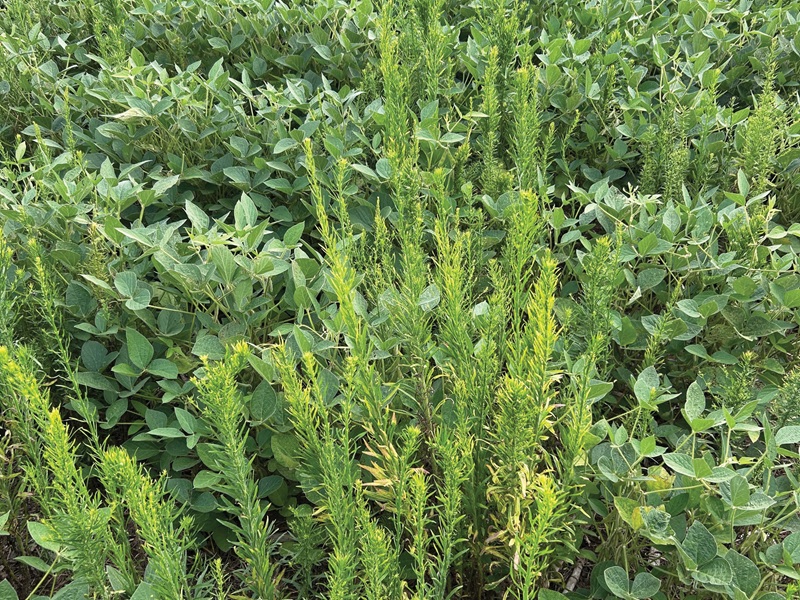
With crop canopies not as lush as in some years and weed seeds able to germinate in some cases with very little moisture, throughout the growing season, waterhemp, fleabane, and Palmer amaranth were among the weeds seen in fields as they emerged mid-season. Palmer amaranth, a new weed identified in Ontario only a few years ago in a very limited location, saw this year an expansion in identification. As next season approaches, be sure to review the weed spectrum in the fields and plan to manage multiple herbicide-resistant weeds. Good scouting and identification, paired with a two-pass herbicide program that has multiple effective modes of action, with good residual activity, will be key for problematic weeds. And as always, a reminder to be drift aware when applying any crop protection product. Droplet size, height of the boom, and wind speed are just a few of the things to keep in mind when heading to the field to make an application.
HARVEST
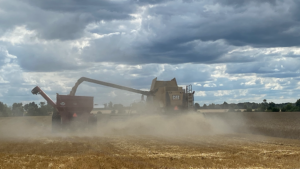
Across much of Ontario, the start of the fall season saw incredible harvest weather, with warm temperatures, sunny skies, and low rainfall. However, that caused soybeans to dry down almost too quickly, and many were harvested dry or below dry for harvest moisture. Winter wheat planting saw many acres planted in ideal conditions, with warm soil temperatures and good soil moisture with timely rains. Much of the winter wheat also went in close to the optimum planting date, which helped it get off to a great start.
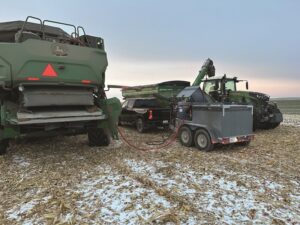
Corn harvest began in good time; initial yields at the time of writing were below to above average, depending on the region and weather patterns experienced. There were some concerns about stalk integrity as the drought, in many cases, caused stalk strength to diminish. Leaf disease, stalk rots, or nutrient deficiencies can also cause stalk strength challenges.
FIELD PROGRESS
This harvest season, Field Progress—the go-to source for weekly estimation on planting and harvest progress across the province, by district, was launched in time for the winter wheat harvest. It shared the percent harvested on a weekly basis, and as the season progressed the program has also reported on soybean and corn harvest, along with winter wheat planting progress. This upcoming spring: spring cereal, corn, and soybean planting will be highlighted.
As with every year, even the small victories and successes must be celebrated. Farmers are often optimists, and it is that which gets many through challenging times. Take time to celebrate the good outcomes and try to plan to overcome what challenges can be influenced in future seasons. Have a safe remainder of the year as harvest finishes up.
Laura Ferrier, CCA-Ontario, is Grain Farmers of Ontario’s agronomist. •