
Hearing from farmers outside the traditional mainstream
Research studies climate change impact
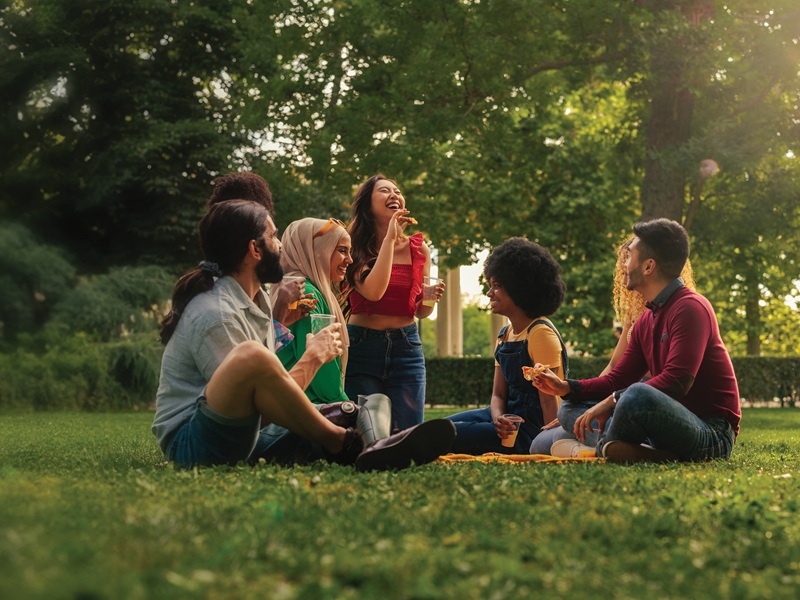
A nationwide search is underway in Canada for farmers outside of the traditional mainstream who are trying to balance sustainability and climate change.

In September, a research team comprising members from the universities of Guelph, Waterloo, and Alberta began reaching out through social media and their professional circles to investigate the experiences, thoughts, and feelings of farmers in what the researchers call “equity-deserving groups” in Canada about climate change.
At this time, that means farmers from Black and LGBTQ+ communities. Mennonite and Amish communities will be approached later in the winter.
Certainly, climate change is affecting all farmers, in Canada and elsewhere, says University of Guelph Professor Andria Jones, a pioneer in farmers’ mental health research and case study leader of this project.
But does it have a different effect on producers considered to be in inequitable positions? Are they more at risk mentally to swings in climate change? Have they adopted creative or transferable techniques to help promote sustainability? Do they think they need different assistance than mainstream farmers? That’s what the research is designed to reveal.
“Adaptability and sustainability are the glue that unites these communities,” says Jones. “Approaches to dealing with climate change by equity-deserving groups might serve as lessons to other farmers and help them adapt to difficult situations. We know from research with other groups that the more diverse a study group is, the better the solutions.”
The federally sponsored study is the first of its kind in North America. It’s affiliated with sustainability and mental health research in the UK and West Africa, likewise aimed at non-mainstream populations.
“We want the study findings to contribute to policy and programming related to equity-deserving groups and mitigating climate change impact generally in agriculture,” Jones says. “By participating, we hope the farmers feel a sense of satisfaction in being ‘heard’ and in helping raise awareness about the impacts of climate change.”
A FOCUS ON INCLUSIVITY
Previous research by jones and associates found that:
- 35% of farmers meet the classifications for depression
- 58% of farmers report high stress
- 45% of farmers are more susceptible than the general population to chronic stress, which can lead to physical and mental illnesses
For more information on support and programs to support farmers, their families, and farm workers, visit www.gfo.ca/farmerwellness
Another aim of the study is to help increase inclusivity in farming. The study results, expected in 18-24 months, will shed a better-rounded light on all farmers’ mental health, which Jones and her colleagues have found to be appreciably more compromised compared to the general public’s mental health. Research by Jones and others has revealed that stress, anxiety scores, and suicide ideation are higher in Canadian farmers than in non-farmers.
For this study, the research team, which includes two graduate students, will conduct 60-90-minute online interviews with farmers in the target groups. They’re aiming to interview 30 members from each group and are offering an honorarium of $200.
The farmers will be asked to discuss their perceptions of climate change, the emotions they feel when dealing with it, and its impact on their mental health and well-being.
Jones and her colleagues want to know how farmers outside of the traditional mainstream are coping, as well as their recommendations for supporting mental health, well-being and
resilience to climate change in Canadian agriculture.
“Canadian agriculture will be most adaptable and sustainable when it is truly inclusive of the diversity of farmers,” Jones says. This research extends studies on the mental health impacts of extreme weather being conducted with mainstream Ontario farmers by Jones and Ph.D. candidate Shelly Thompson.
For more information, visit https://ajresearch.ca/climate-mental-health-and-equity-deserving-populations. •