
Are your soils ready forbig rains?
Agronomic information from Ontario's crop specialists

The amount of rainfall that makes its way into soil, instead of running off, matters. In the fall and spring, it can mean the difference between intact topsoil and a washout. In a dry summer, extra rain captured from a thunderstorm helps maintain crop yield potential.
Same soil type, different water infiltration
At a recent Southwest Crop Diagnostic Days session in Ridgetown, I demonstrated the impact soil management has on water infiltration. Four clay loam soils — an undisturbed fencerow, an alfalfa field with regular manure application, and two plots from the long-term crop rotation and tillage system trial — showed drastic differences in water infiltration rates.
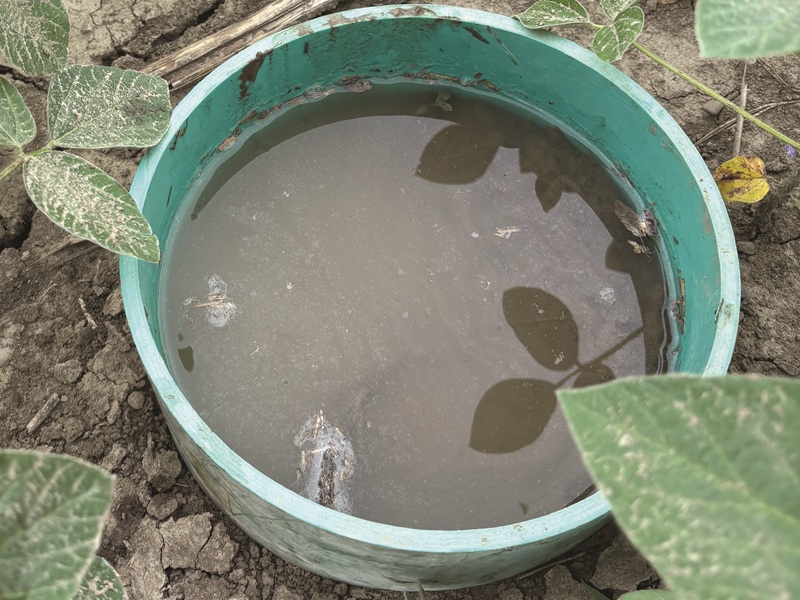
Table 1 shows how the fencerow soil absorbed water rapidly, while the continuous soybean soil was painstakingly slow, demonstrating its potential for both runoff and ponding (Figure 1).
Table 1. Water infiltration times for four soils under contrasting management
| Management history | Time (first inch) | Time (second inch) |
| Fencerow | 7 seconds | 8 seconds |
| Alfalfa | 36 seconds | 1 minute 12 seconds |
| Corn-soy-wheat (red clover) – no-till/strip-till | 25 seconds | 1 minute 11 seconds |
| Continuous soybeans – fall plow tillage | 6 minutes 30 seconds | >20 minutes |
Rainfall needs somewhere to go
Differences in soil structure and porosity explained these results. The fencerow soil showed small, rounded aggregates with many air spaces, or pores, while the soils with minimal tillage and alfalfa or wheat in rotation had medium-sized aggregates with plenty of pore space and roots throughout. The more pore space there is, the faster water can enter the soil and move downward. The plowed, continuous soybean topsoil was made up of large blocks with sharp edges and few pores.
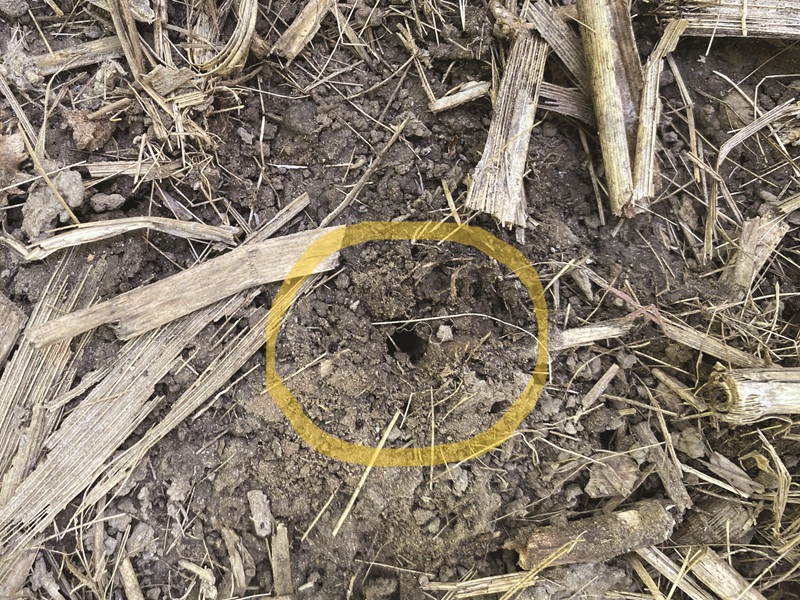
When it comes to heavy rain, infiltration rate is largely determined by macropores, especially in finer-textured soils. These large pores, which include old root channels and earthworm burrows (Figure 2), make up a small percentage of all soil pore space but transmit water rapidly into the soil when rainfall is intense. Both the fencerow and the alfalfa- and wheat-based rotation soils had evidence of more macropores than the soil managed with continuous soybeans.
Including perennial forages and small grains, and applying organic amendments, are effective ways to improve soil structure and boost soil macropores to increase water infiltration. Tillage practices that retain more residue cover and work the soil less aggressively are key to slowing water down and keeping macropores intact. Consider techniques you can use with your existing equipment, such as shallower or fewer passes, to enhance soil cover, build macropores, and ready your farm for big rains.
For a video summary of the Southwest Crop Diagnostic Days session from Ridgetown, watch Season 6 of Real Agriculture’s soil school on YouTube. •