
Farm work takes a toll
Small changes can help farmers reduce pain from vibration, prolonged sitting, and repetitive tasks
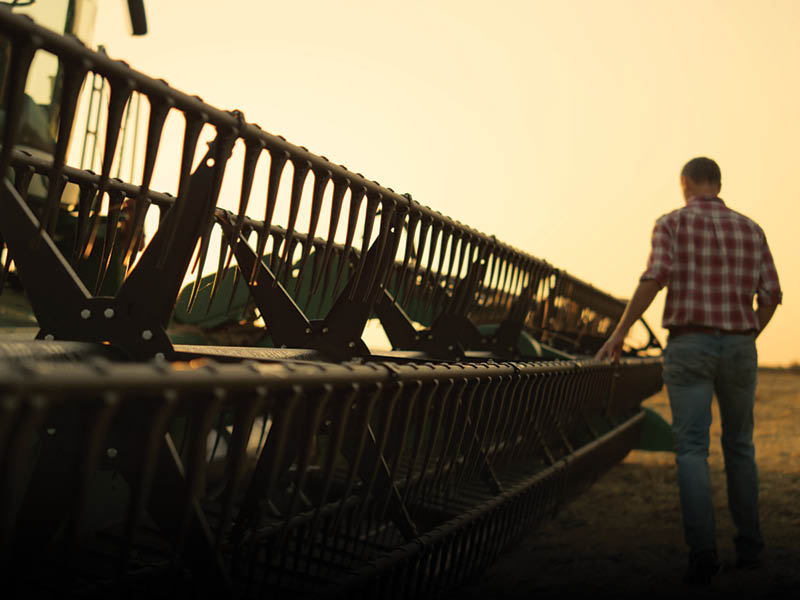
Frequent movement, proper lifting techniques, healthy habits, and early treatment can help farmers prevent injuries and protect their long-term health.

Farming has long been recognized as one of Canada’s most dangerous occupations in terms of fatalities and injuries. Yet its role in causing physical ailments affecting a person’s back, neck, shoulders, hips, and knees is gaining more attention across the industry.
Tradition in agriculture often overrules concerns about the rigours of hoisting seed bags and jugs of chemical products, moving augers, making repairs, and sitting for long hours in a tractor, sprayer, or combine cab. The justification is simple and emphatic: “There’s work to be done” — or words to that effect.
Unfortunately, that doesn’t undo the damage or long-term suffering many growers experience. Thankfully, medical and agricultural research is ongoing, expanding knowledge and helping to effect change. In 2012, the American Journal of Industrial Medicine published a study on the prevalence of musculoskeletal disorders (MSDs) among farmers, which found that the “lifetime prevalence of any form of MSD among farmers was 90.6 per cent.”
In 2022, the University of Saskatchewan undertook its own study, “Take a Break from the Shake,” to evaluate controlled vibration exposure and rest-break interventions.
A TOUGH ASK
It’s difficult to get farmers to listen to their bodies, especially when they’re focused on farm conditions and everything that demands their attention each day: planting, tending, or harvesting crops, and feeding, monitoring, and preparing livestock and poultry for transport. The temptation to overlook or ignore the many aches and pains they endure is part of the profession, like scraped knuckles or mud-caked boots.
“And when you’re 25, you don’t feel bad,” says Grace Pearson, who farms with her husband, parents, and in-laws near Comber and is the District 1 (Essex) director for Grain Farmers of Ontario. “Then you pay for it down the road if it’s not tended to early enough.”
Pearson found she was struggling with the combined effects of her off-farm job as manager of business markets with Royal Bank of Canada (RBC) and her farm work on evenings and weekends. Spending most of her days sitting was causing pain and stiffness. She could address the ergonomics of her RBC job by adjusting her workstation.
But farm equipment isn’t customized to an individual’s ergonomic specifications — unlike a desk, chair, or keyboard tray. Someone else is often driving the tractor or combine.
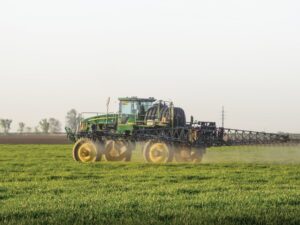
“With a vehicle, you can move the pedals, steering wheel, or seats,” notes Pearson. “Whereas any piece of farm equipment, whether it’s the sprayer, combine, or tractor, doesn’t have all of those capabilities. I find I have to sit a certain way when operating the equipment for longer periods — hours and hours — and it takes a toll on your body.”
Sitting in a cab is only part of the issue. There’s also the vibration, the twisting required to see what’s happening behind a machine, and even the effect of sitting in a tractor while plowing, when a wheel in the furrow leaves the operator sitting at an angle. According to the results of the “Take a Break from the Shake” study, vibration from any vehicle is considerable and not well understood. The study found agricultural workers have the highest prevalence of low back pain in the country and face the greatest risk of developing it in the future.
Yet it doesn’t end there. A farmer climbing down from the cab may experience momentary imbalance because of equipment vibrations, leading to falls or stumbles that can cause additional strains and injuries. For all these reasons, Pearson has been seeing a physiotherapist every two weeks and a massage therapist every four weeks.
“My physio always knows when I’ve been in a cab,” says Pearson, who has come to appreciate the concept of whole-body connectedness, in which a sore right shoulder might cause pain in the left hip. “You’re going to feel that, and it’s only going to get worse if you don’t support your body.”
SIMPLE STEPS
Goudreau concedes farmers may not feel like “hitting the gym” after a long day, but there are simpler ways for them to make a difference in those aches and pains.
Breaks are good, but frequency — not duration — is key.
- “After sitting for 15 to 20 minutes straight, your back will start to feel the effects,” says Goudreau. “Thirty to 60 seconds of movement can help reset that timer so your back can handle sitting again. Moving around 15 to 30 times will set you back only 15 minutes.”
- Proper lifting techniques include bending at the knees, hinging at the hips, bracing the core muscles, and keeping the item being lifted close to the body.
- Warm up in the morning before work, or use a foam roller. The older you get, the more important this step becomes.
- Move whenever possible, adopt healthy habits, and don’t underestimate the importance of proper sleep.
- Don’t ignore what your body is telling you, and don’t seek care only as a last resort. Waiting too long will take more time and effort to recover, meaning more time away from work.
MAKE TIME
Although sitting in a tractor, sprayer, or combine cab may be part of the job, farmers still have easy-to-follow options, even if they’re short on time to see a medical professional. Sitting is the most common cause of musculoskeletal problems worldwide, not just in agriculture, according to Dr. Colin Goudreau, a chiropractor from Chatham-Kent.
“Long days, weather constraints, and not having time to seek care in a timely and consistent manner can impact how frequent or severe (a person’s) pain can be,” says Goudreau, who has been practising since 2013. “Even the most ergonomic set-up in a tractor or combine may not prevent any or all back pain; our bodies were designed to be in motion, and as we age, that becomes even more important.”
“Motion is lotion; rest is rust” is a common phrase among those treating musculoskeletal issues. Other factors involved in assessing overall health include a person’s medical history, particularly previous injuries. If someone has experienced back, knee, or shoulder pain in the past, the odds of experiencing it again increase. •