The growing demand for winter wheat
Quality, sustainability and market development are attracting new buyers to this Ontario crop
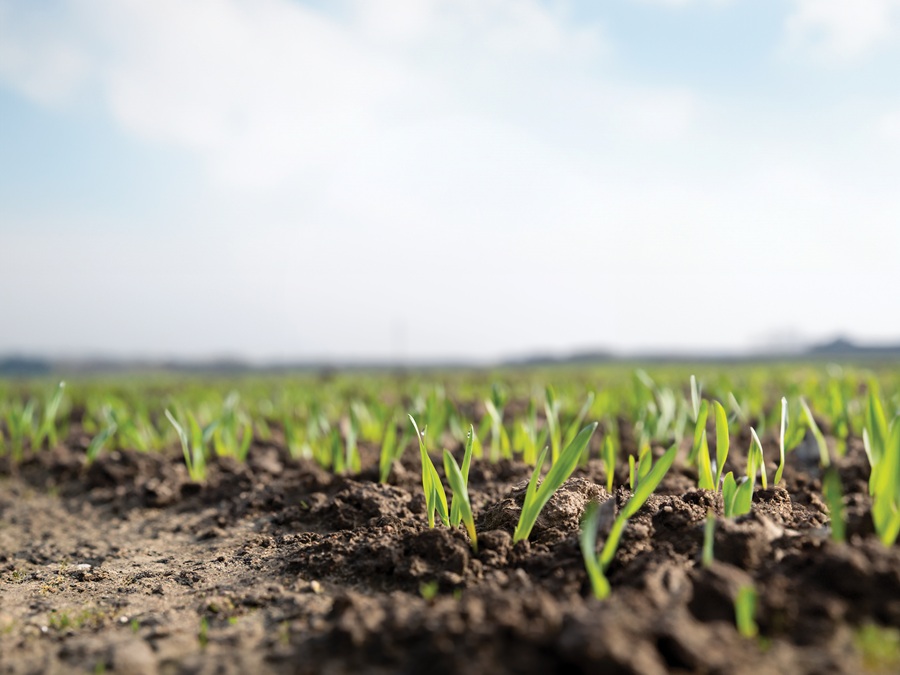
As global markets shift, interest in Canada Eastern Soft Red Winter (CESRW) wheat is rising around the world. Ontario grain farmers grow the vast majority, about 80 per cent, of Canada’s winter wheat. And they’re poised to meet the growing demand.

Dana Dickerson, Grain Farmers of Ontario’s Director of Market Development and Sustainability, says that the efforts to develop new various export markets is bearing fruit.
Overall demand for Ontario wheat started to grow during the pandemic, when many countries diversified their wheat sourcing to ensure a steady supply. Ontario was a top choice.
Dickerson says there’s been growth in exports to Mexico, Ecuador, Dominican Republic and Colombia, for milling and feed. In recent years, Spain started importing CESRW after Canada signed the CETA trade deal.
Grain Farmers of Ontario carries out annual trade missions with Cereals Canada to Mexico and Central America. Inbound delegations to Ontario in 2025 included, Africa, with Nigeria being the major market there, and Ecuador.
One reason exports can grow is because of investment in port and terminal infrastructure to support capacity. Grain Farmers of Ontario Market Analysis Specialist Hayley Vinkovic notes that major expansions have occurred at the Port of Windsor and grain terminals in Hamilton and Oshawa.
In addition, wheat milling capacity has grown recently with the expansion of the P&H flour mill in Hamilton.
But infrastructure aside, Ontario/Canadian wheat is a natural choice for any country due to its strong reputation for quality, reliability, and sustainability.
“We are continuing to educate global customers on our credentials in these areas,” Dickerson says. “We offer consistency in annual quality performance for wheat and flour, and clean shipments with minimal dockage. Our varieties are tailored to perform consistently in cookies and crackers, providing dimensional stability for consistent shaping and imprinting.”
Vinkovic adds that Ontario wheat quality falls within a narrow, predictable range, which is highly valued by millers and food processors. “Consistent protein levels, falling numbers and flour performance allow processors to run efficiently without frequent adjustments,” she says. “Predictability reduces downtime and lowers operational risk across the supply chain. In addition, Canada sets clear grading standards and robust testing at elevators, and terminals reinforce buyer trust in delivered specifications. Clean and consistent wheat lowers the total cost for buyers, even if the price is not always the lowest.”
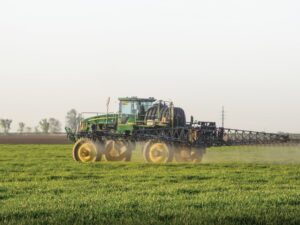
Vinkovic says Ontario grain farmers use proven management practices that support the province’s reputation for producing clean, food-grade wheat. Timely fungicide applications and integrated crop management help keep problems such as Fusarium and DON under control. Ontario also has strong breeding programs, supported by the Ontario Cereal Crops Committee, that drive the continuous improvement of wheat genetics.
Grain Farmers of Ontario collects samples from across the province each year in the Annual Wheat Harvest Survey to provide millers and end users with a clear picture of Ontario wheat quality by region and class. Vinkovic says this program strengthens transparency and supports buyer confidence, with GFO using the survey results to actively engage with international customers through trade missions, including the Cereals Canada Latin America new crop mission.
SUSTAINABILITY GAINS
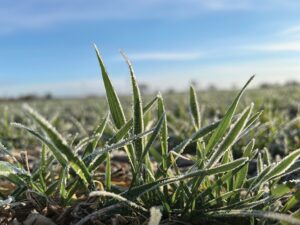
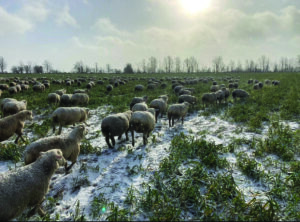
Winter wheat also provides significant sustainability benefits. Keeping the soil in place over winter and early spring with a winter cover crop like winter wheat contributes to healthier soils and more resilient agroecosystems. Soil losses to erosion are dramatically reduced.
Winter wheat crops also scavenge excess nutrients. Ibrahim Mohammed, Grain Farmers of Ontario sustainability and environment specialist, says as the crop grows through the off-season, it absorbs nutrients (especially nitrogen) that tend to otherwise leach out of the soil during rainy winters, spring thaws, or both.
“By capturing these nutrients, winter wheat helps prevent them from entering waterways and reduces pollution, which in turn prevents many associated problems like algal blooms,” he says.
Soil covered by winter wheat also reduces the impact of spring storms by helping rainwater and spring thaw water infiltrate the soil rather than running off the surface. This reduces sediment and nutrient transport into streams and rivers, but just as importantly, it helps retain soil moisture for the upcoming crop season.
“Winter wheat also improves soil organic matter and structure,” Mohammed says. “It’s a crop that produces a lot of biomass, both in roots and above-ground growth, which adds organic matter to the soil when it decomposes. This organic matter improves soil structure, increases water infiltration and storage, and supports beneficial soil organisms, all key indicators of soil health.”
In addition, throughout the winter and early spring each year, the living roots of winter wheat feed soil microbes and fungi, keeping the soil ecosystem active rather than dormant. This, says Mohammed, supports nutrient cycling, carbon retention, and overall soil resilience.
“In addition, unlike leaving soil bare or doing early spring tillage, the roots of winter cover crops like winter wheat break up soil compaction gently, and this helps avoid soil disturbance when conditions are wet,” he says. “This also supports long-term soil health and reduces machinery passes, which also lowers fuel use and emissions.”
And finally, growing winter wheat reduces weed pressures. The dense soil cover provided by stands of winter wheat suppresses weed emergence by shading the soil and competing for nutrients and water, preventing the growth of young weeds. Mohammed says this helps reduce the need for herbicides and lowers overall chemical inputs in the cropping system.
All this makes winter wheat a great option for producers and a superb choice for grain buyers looking for quality, sustainability, and reliability. •