
Closed Transfer Systems in Ontario
Agronomic information from Ontario's crop specialists

Agriculture, Food and Agribusiness
WHAT ARE CLOSED TRANSFER SYSTEMS?
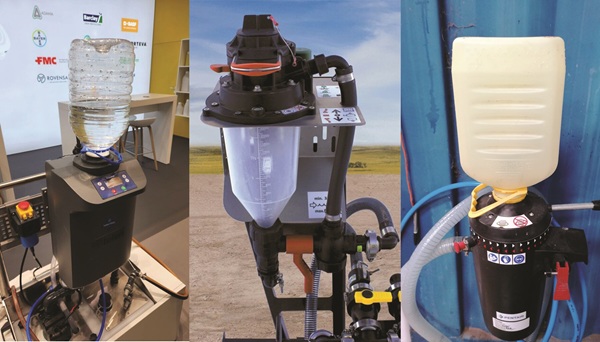
Closed Transfer Systems (CTS) are designed to move pesticides from their original containers into sprayers without exposing operators or the environment. For small-format jugs, these systems use specialized caps and couplers to lock on to the unit, open valves, transfer product, and rinse the container and lines, whether transferring full or partial loads (see Figure 1).
The Pest Management Regulatory Agency can decide to include this requirement on the label when occupational risk assessments identify hazards. Products like Lorox L, Ethrel PGR, and Dibrom already carry full CTS statements, while others require CTS only under certain packaging or usage thresholds. This is likely only the beginning.
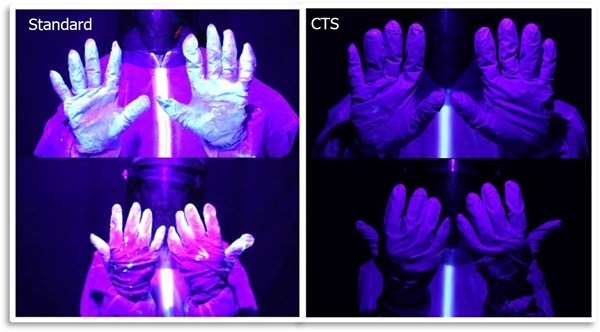
The reason behind the requirement is easily understandable. A CTS eliminates point source contamination from small spills and reduces operator exposure. These systems reliably meter small volumes or entire jugs faster and more accurately than an operator can (Figure 2). Thanks to the EasyConnect cap (not yet available in North America), CTS is the new reality in Europe and the UK.
In Ontario, the concept is still new, and we don’t have as many commercial options for complying with the regulation. There are many questions about which jug formats will be compatible, how to attach the feed line to the sprayer, and how CTS might work with dry formulations (spoiler: right now, it doesn’t). But it’s early days, and we’re all learning.
Bottom line, CTS adoption improves safety, meets regulatory requirements, and can streamline workflows. While initial costs and retrofitting may pose challenges, emerging technologies will offer flexible solutions for both small and large-scale operations.
If you’d like to learn more about closed transfer, you can read about it here: https://sprayers101.com/cts/ •