Liability insurance isn’t one-size-fits-all
From equipment on the road to cyber threats, farm coverage depends on the details of each operation
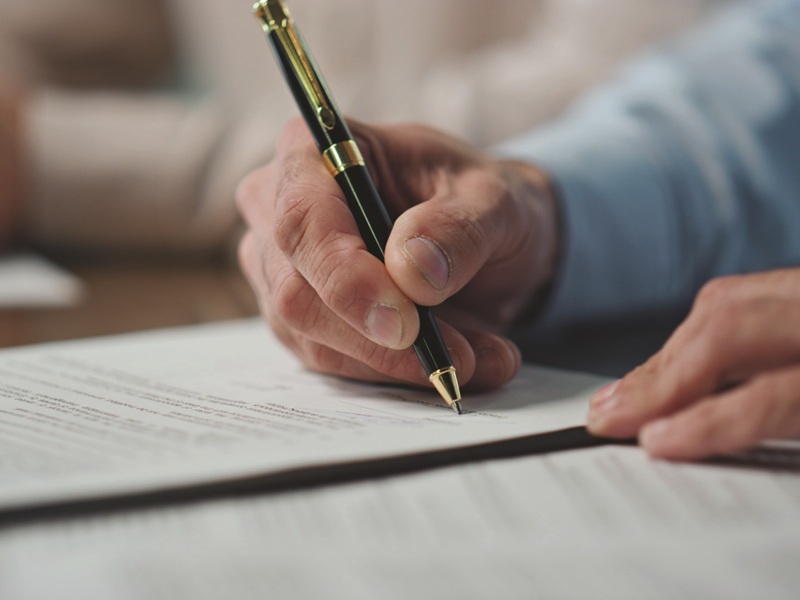
Insurance experts say farmers need to have detailed conversations with brokers or agents to understand their specific risks, avoid coverage gaps, and ensure their policies reflect the full scope of their operations.

As farms continue to evolve and add new buildings, equipment, or processes to their operations, clarity around liability insurance is becoming increasingly important. The more uncertainty there is in a situation, the greater the chance of unfavourable outcomes affecting a farm.
What tends to make matters worse is that many people in the agri-food sector aren’t aware of the need for specific liability insurance. As the industry evolves, so do the needs of farms.
Examples of injuries or damage incurred on a farm are numerous: falls from grain bins, failure to call for locates, and ladders placed in tractor buckets to reach the tops of drive sheds. They’re more than health and safety violations; depending on the circumstances, they can also be liability concerns.
If there’s good news in one or two of those scenarios, it’s that all farm employees must have coverage under the Workplace Safety and Insurance Board (WSIB). That’s a regulatory requirement.
But much like discussions about farm succession, liability insurance varies in complexity. The common adage that “no two farms are alike” means greater specificity, and more time spent, navigating liability coverage. It’s not a 15-minute phone transaction with an agent.
TWO TYPES
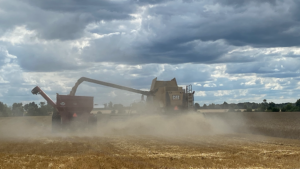
For the most part, liability insurance can be divided into personal and commercial coverage. Personal lines can resemble the exposures facing someone living in a metropolitan area: dog bites or slipping on ice in a person’s driveway. But farms are commercial enterprises, meaning they’re open to lawsuits for damages resulting from a farmer’s operation: cattle escaping an enclosure and causing a car accident; a tractor or combine on the road damaging a hydro pole; or sales from an on-farm market causing illness in a customer.
“These are exposures you wouldn’t get on a normal homeowner’s policy,” says Meghan Mackenzie Bell, assistant vice-president of the equine and agricultural division at NFP. “That’s the importance of having a farm broker that you can call and chat through your exposures. There are so many different exposures farmers can face that a lot of people, especially now, want that easy button of applying online. But this is one of those coverages where you really need to have a conversation.”
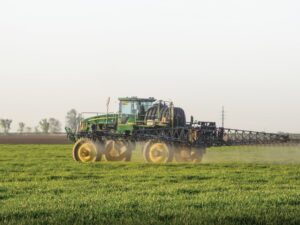
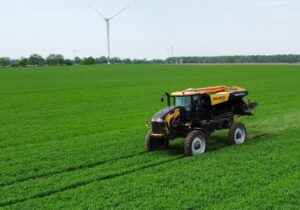
Given the “no two farms are alike” adage, coverage can be extensive and include areas of the farm’s operations that may not readily come to mind. Pollution of a watercourse or a custom sprayer damaging a neighbouring field are incidents that have increased in the past 20 years. But there are now also ransomware attacks on livestock operations or retailers, where denial of service prevents milking or feeding animals.
“There’s a massive knock-on effect of all the technology we’ve been able to use to improve farming, but we need to look at how to properly cover the liability of things like cyber exposures,” says Mackenzie Bell, who’s based in Newmarket, Ont. “It comes back to that overwhelming feeling of having so much that a farmer needs to think about.”
It’s also why there’s nothing simple about finding the right coverage, whether it’s through a local mutual insurance company or a larger-scale provider with agricultural ties. Communication becomes an even more important, yet time-consuming, element, and it can make or break the perceived value of liability insurance.
Another factor that can affect those decisions is a farmer’s self-reliance — the belief that they can fix whatever falters on the farm. But farmers must also communicate and update the specific details of their farms; any change in the operation could change liability coverage. It’s better to clarify things, just to be sure.
“When it comes to property, you can pick and choose,” notes Mackenzie Bell. “But with liability, you need to insure everything you’re doing — all of your operations. The moment you don’t tell us about something, chances are that’s the thing you’re sued over.”
ROLL THE DICE
Communication with an insurance agent or broker is elementary to Dawn Tuplin, as well. As a farm and commercial agent with Westminster Mutual Insurance Company in Belmont, Ont., she understands the farmer’s position in terms of time stress and the distractions that come with the job. However, she’s equally emphatic about the process of determining coverage under all forms of insurance, including liability.
“Farming is farming, but there are so many different types,” she says, acknowledging the ways the industry has evolved recently, which is why she favours in-depth assessments. “I really prefer a one-on-one conversation. Doing what I do, the most important thing is to have a full understanding of a farm operation so I can provide the right coverage solutions and point out gaps that exist. But it’s important that a farmer understands their obligations regarding the business they operate.”
Tuplin echoes Mackenzie Bell’s reference to farmers being more likely to accept greater risk in managing their operations. She believes farmers are a special type of person: once they make up their minds, it’s difficult to convince them to do otherwise.
More than the time consumed in walking through the complexity of a farm operation or the extent of coverage needed, there’s also the risk-taking that comes with the job of farming. Some farmers will drive their combines down the road with the corn header attached or attempt to dig a hole in a field without calling for a locate. Those are defended as “necessary risks to save time,” but they’re also an invitation to serious hardship if things go wrong.
“There are farmers who are very aware of their exposures and take a lot of steps to mitigate their risk, and others who maybe aren’t as aware or interested in mitigating that risk,” adds Tuplin. “It’s what farming is — you have to be a bit of a professional gambler to be a farmer, but you also have to be a bit of a professional gambler to be an underwriter and decide on pricing for these risks.”
Her recommendation begins with a base amount, regardless of the size or complexity of the farm, with coverage extensions or added premiums to account for specific operations taking place on that farm. Driving tractors down the road is covered under their liability wording, but insurers will generally charge additional premiums based on the number of tractors or combines, or the distance between locations.
“We add extensions here that specifically list the exposure we’re charging for,” says Tuplin. Liability wording is not the same among all insurers. Just as farms vary in operation, so do insurance companies. “Not all insurers will do that — they may charge more premium. Some exposures are not included in the liability wording, and additional coverage may be needed. I don’t sell farm policies without liability, and there’s always room for improvement.”
Farmers are operating in an incredibly volatile space, and the only way to manage expectations is to have a strong relationship with a broker or agent. They need to spend time making sure they have the coverage they need. •