Stronger together: The importance of peer connections
Conversations with business experts
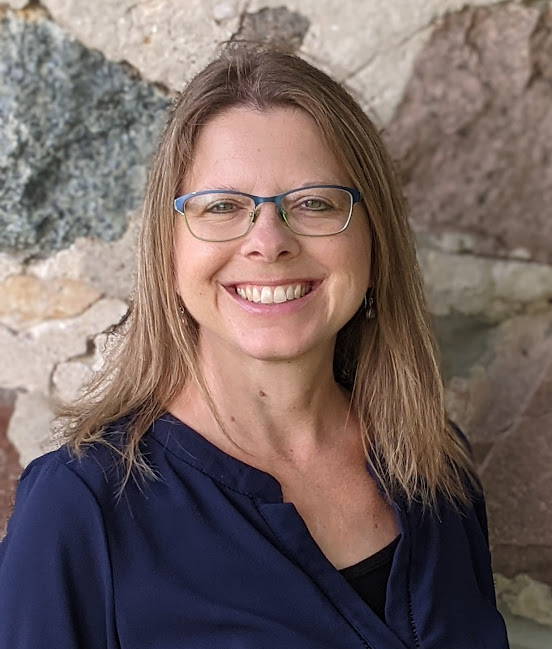
Q: WHY SHOULD MENTAL WELLNESS AND PEER CONNECTIONS BE VIEWED AS ESSENTIAL PARTS OF A SUCCESSFUL FARM OPERATION?
I often relate it to creating a farm business plan. Every plan includes essential components, such as seed decisions, crop rotations, equipment maintenance, labour, and finances, and each one affects the others. If seed isn’t ordered, there’s no crop to plant. If the combine isn’t repaired, the crop can’t be harvested.
Mental wellness works the same way. Whether farmers recognize it or not, their mental well-being directly affects decision-making, communication, productivity, and the overall flow of the operation, not only for the individual, but for everyone involved on the farm.
Strong peer connections are also an important part of mental wellness, especially in agriculture, where isolation and stress can be common. Having trusted people to talk to, share experiences with, or ask for advice can make a meaningful difference during challenging times.
Q: WHY IS AGRICULTURE DIFFERENT FROM OTHER INDUSTRIES?
A: One of the key differences between farming and many other industries is the lack of separation between work and home life. For many farmers, home and work are in the same place, and even those who live off the farm are rarely far from it. That can make it difficult to step away from work stresses at the end of the day, or fully disconnect mentally, which can contribute to feelings of isolation and burnout over time.
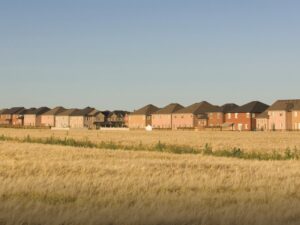
Geography can also play a significant role. Large distances between farms, farming neighbours and rural communities may limit day-to-day social interaction and make it harder to maintain regular peer connections.
This can be especially challenging for younger or newer farmers who may be looking for mentorship opportunities, or simply want a trusted, experienced farmer they can turn to with questions and support.
While many farmers have strong networks of family and friends, people outside of agriculture may not always understand the unique pressures and unpredictability of farming life. It can be difficult to explain why social activities are difficult to commit to or need to change because of weather, livestock, or seasonal demands that directly shape a farmer’s daily routine. Limited peer connections within agriculture can also deepen feelings of isolation, even for those who otherwise have supportive relationships in their lives.
Q: WHY ARE PEER RELATIONSHIPS SO IMPORTANT?
A: Farming is an incredible way of life, and farmers take great pride in what they do. At the same time, it is also a demanding and unpredictable profession. Many of the biggest stressors farmers face, including weather, disease, market disruptions, and commodity pricing, are outside their control, and over time, those pressures can take a toll on mental well-being.
That’s why peer connections are so important. Having people to talk to who truly understand the realities of farm life can help reduce feelings of isolation, validate experiences, and provide support during challenging times.
Today, farmers are finding ways to connect through coffee shop conversations, farm meetings, social media, and online communities. These connections remind farmers they are not alone and help challenge the idea that they must always handle stress on their own or simply work harder to push through it. Peer support reinforces that seeking connection and support is a strength, not a weakness.
Q: WHAT DO YOU WANT FARMERS TO KNOW ABOUT MENTAL WELLNESS AND PEER CONNECTIONS?
A: Farmers need to know that mental health struggles are not a sign of weakness. Anxiety, depression, and burnout can affect anyone, regardless of age or experience.
There is often pressure in agriculture to be tough, self-reliant, and able to handle everything alone. While those qualities are valued in farming, they can also make it harder for people to ask for help or talk openly about what they are experiencing. That’s why peer connections are so important. Having trusted people to talk to, especially others who understand the realities of farming, can reduce feelings of isolation, provide support during stressful times, and remind farmers they are not alone.
It is also important for farmers to know that support is available. Mental wellness is just as important as physical wellness, especially on the farm, where the well-being of the operator can affect the family, employees, and the entire operation. Reaching out for support, whether through peers, family, or mental health professionals, is a sign of strength, not weakness. •