What your fields taught you about disease in 2026
Agronomic information from Ontario's crop specialists

Ontario Ministry of Agriculture,
Food and Agribusiness
As another harvest season wraps up, farmers are turning their attention to 2027 seed decisions. While yield is important, take time to evaluate which diseases were present in your fields. Some of the best information is in your yield maps, scouting notes, and harvest observations.
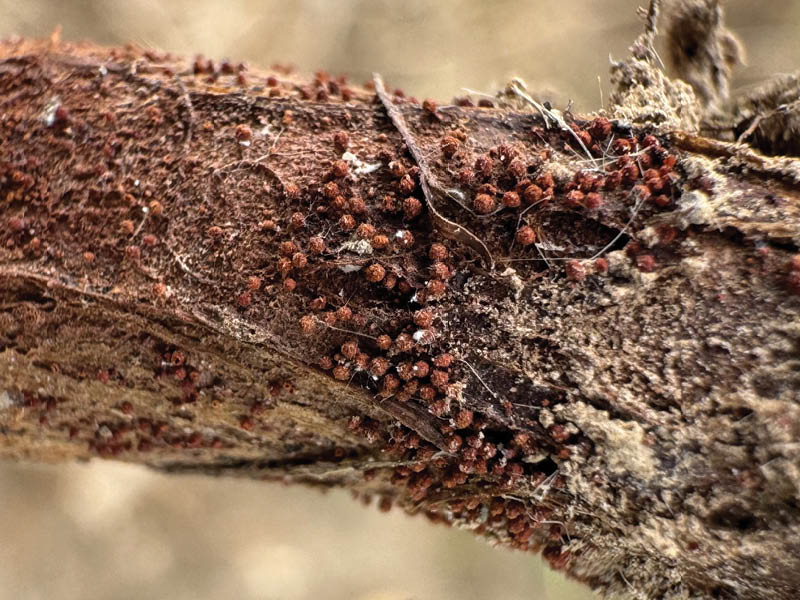
For corn growers, tar spot still influences hybrid selection decisions. However, not all hybrids respond the same way as disease pressure builds. While breeding programs are investing significant resources in improving tar spot tolerance, we still do not have hybrids that can be considered truly resistant.
Until we do, hybrid tolerance remains one of the most important management tools available.
That doesn’t mean susceptible hybrids should automatically come off your list. Many still offer excellent yield potential and are a good agronomic fit. However, if you’re planting a hybrid known to be more susceptible, you need a management plan. That means knowing your field history, scouting regularly, and being prepared to apply a fungicide when conditions favour disease development. Hybrid selection can reduce risk, but it won’t eliminate it.
The same applies to Gibberella ear rot (GER) and deoxynivalenol (DON). While hybrids vary in tolerance, weather conditions during and after silking often influence infection as much as genetics. Even hybrids with good tolerance can accumulate DON when environmental conditions strongly favour disease development. That’s why hybrid selection, crop rotation, residue management, insect control, and harvest management all help reduce risk.
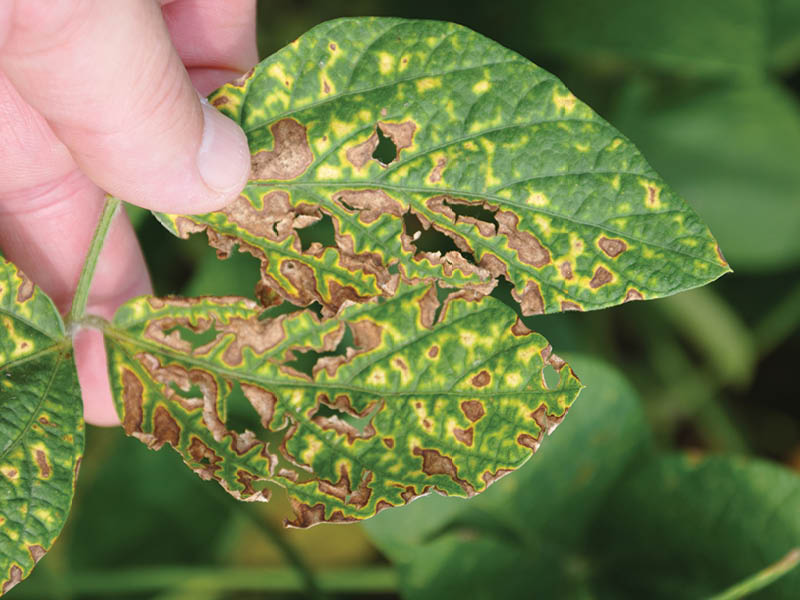
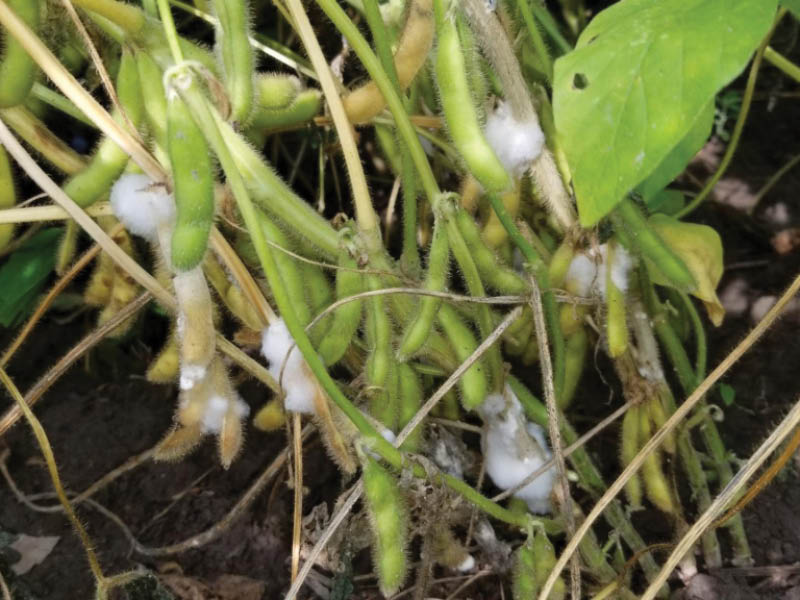
Soybeans tell a similar story. If sudden death syndrome (SDS), Phytophthora root rot, white mould, brown stem rot, or soybean cyst nematode (SCN) was a problem in your fields this year, now is the time to note where it occurred. Too often, we remember the yield but forget the problem areas. Keeping track of them will help identify the disease-resistance packages needed in future varieties.
SCN deserves particular attention. It remains one of the most important yield-robbing pests in Ontario, often reducing yields long before obvious symptoms develop. The good news is that growers should soon have another tool: varieties containing the Nemasphere SCN-resistant Bt trait. This technology has the potential to significantly improve SCN management and help protect yields.
However, we have learned that stewardship matters. We cannot afford to rely on a single tool year after year, whether we’re managing SCN or other pathogens. Soil sampling remains critical, and growers should continue to rotate resistance sources, including PI 88788 and Peking. Preserving the effectiveness of existing resistance sources, as well as new technologies such as Nemasphere, will require a long-term approach based on population monitoring and integrated management.
This year showed us again that genetics provide an advantage, not immunity.
Whether you’re managing tar spot, DON, SCN, SDS, or white mould, successful disease management comes from integrating available practices and technologies. Before finalizing your seed order, sit down with your seed dealer and review what happened in each field this season. The best hybrid or variety is not always the highest-yielding one in the plot book, but the one that best fits your farm’s disease challenges and management goals. •