
Put agriculture on the municipal election agenda
Grain farmers can help shape local decisions by asking candidates where they stand on rural infrastructure, land use, taxes, fees, and practical farm policies

Municipal elections give grain farmers a chance to raise local issues that affect their businesses, from infrastructure and land use to taxes, fees, and environmental regulations.

Ontario is holding municipal elections on October 26, 2026. As the election date approaches, grain farmers have an important opportunity to make sure agriculture remains a priority in their communities.
Municipal governments may not set national trade policy or provincial farm programs, but they make many of the decisions that shape day-to-day farming. Local councils influence rural roads, bridges, drainage, land-use planning, stormwater fees, property taxation, conservation authority representation, source water protection, and regulations that affect farm operations.
Those decisions matter to Ontario’s grain farmers, who depend on reliable infrastructure, practical policies, and a competitive business environment to grow crops, move equipment, reach markets, and continue contributing to rural communities.
Agriculture is a major economic driver in rural Ontario, and municipal leaders need to understand how local decisions affect farm businesses. That’s why Grain Farmers of Ontario is encouraging farmer-members to speak with candidates, ask questions, and help ensure municipal policies recognize the importance of a strong and competitive agricultural sector.
WHY MUNICIPAL DECISIONS MATTER
Municipal issues can have a direct effect on farm businesses. Rural roads and bridges must be able to handle equipment and truck traffic. Drainage systems must support productive farmland and protect surrounding communities. Planning decisions must balance growth with the need to preserve agricultural land and avoid unnecessary conflicts between farms and non-farm development.
Municipal taxes, stormwater fees, and local regulations also affect the cost of doing business. Agricultural land functions differently than urban and industrial properties, and policies need to reflect those differences. Fair, predictable, and practical rules help farm businesses invest, grow, and remain competitive. Environmental policies are another area where municipal leadership matters. Farmers are committed to protecting soil, water, and natural resources, but conservation authority policies, source water protection programs, and local environmental regulations need to be science-based, practical, and developed with farmer input.
FOUR PRIORITIES FOR MUNICIPAL LEADERS
Grain Farmers of Ontario looks forward to working with municipal leaders who recognize agriculture as a cornerstone of Ontario’s future, because a strong agricultural sector means stronger local economies, more jobs, greater food security, and vibrant rural communities.
Grain Farmers of Ontario has four priorities for municipal leaders:
Protect rural infrastructure
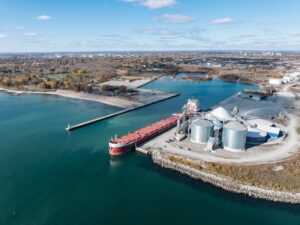
Reliable roads, bridges, drainage systems, ports, rail connections, and processing facilities are essential to moving crops, transporting equipment, and connecting farms to markets. Municipalities should continue investing in and protecting infrastructure that supports economic growth and keeps rural communities competitive.
Keep agriculture competitive
Agriculture competes in global markets, and local decisions should support business growth, investment, and innovation rather than create unnecessary costs and delays. Municipal policies should recognize agriculture as a strategic economic sector and consider the impact of planning, taxation, and regulatory decisions on farm businesses.
Include farmers in local solutions
Ontario farmers are environmental stewards who bring practical expertise to local decision-making. Municipal environmental policies should be science-based, practical, and developed in consultation with farmers. Source water protection programs, conservation authority policies, and local environmental regulations should achieve environmental objectives while recognizing the realities of modern agriculture and looking to provincial solutions wherever possible.
Ensure fair taxes, fees, and regulations
Municipal taxation, stormwater fees, and regulatory requirements should reflect the fact that agricultural land functions differently than urban and industrial properties. Municipalities should avoid unnecessary regulatory duplication and work collaboratively with farmers to develop fair, balanced, and predictable policies.
AGRICULTURE SUPPORTS ONTARIO COMMUNITIES
Ontario’s grain and oilseed sector contributes approximately $27 billion annually to the provincial economy, supports more than 90,000 jobs, generates nearly $1 billion annually in municipal tax revenue, and produces food, feed, renewable fuels, and industrial products.
When farms succeed, communities succeed. Strong farm businesses support local jobs, rural services, community organizations, and economic activity across Ontario. Municipal leaders who understand agriculture as a strategic economic sector are better positioned to make decisions that support long-term community resilience.
ISSUES TO RAISE WITH CANDIDATES
Speaking with municipal candidates does not need to be complicated. Farmers can start by asking whether candidates recognize agriculture as a key economic driver in the community, and how they will consider the impact of municipal decisions on farm businesses.
Infrastructure is a key place to begin. Candidates should be asked whether they will support investment in rural roads, bridges, drainage systems, ports, processing facilities, rail connections, and other infrastructure that helps move crops, transport equipment, and connect farms to markets.
Farmers can also ask how candidates will ensure stormwater fees are fair and recognize the unique nature of farmland, and whether they will support policies that avoid unnecessary costs, delays, and regulatory duplication.
Representation matters, too. Candidates should understand the importance of including farmers on conservation authorities, municipal advisory committees, and in consultations related to source water protection and environmental initiatives. Practical farming expertise can help municipalities develop policies that achieve environmental objectives while recognizing the realities of modern agriculture.
Finally, farmers should ask candidates whether they will support the ability of Ontario farmers to grow the crops needed to feed Ontario, Canada, and the world.
MAKE AGRICULTURE PART OF THE CONVERSATION
Municipal elections are an opportunity for farmers to make sure local leaders understand agriculture’s role in their communities. Attending all-candidates meetings, speaking with candidates, asking questions, and voting are practical ways to help keep agriculture on the municipal agenda. •